
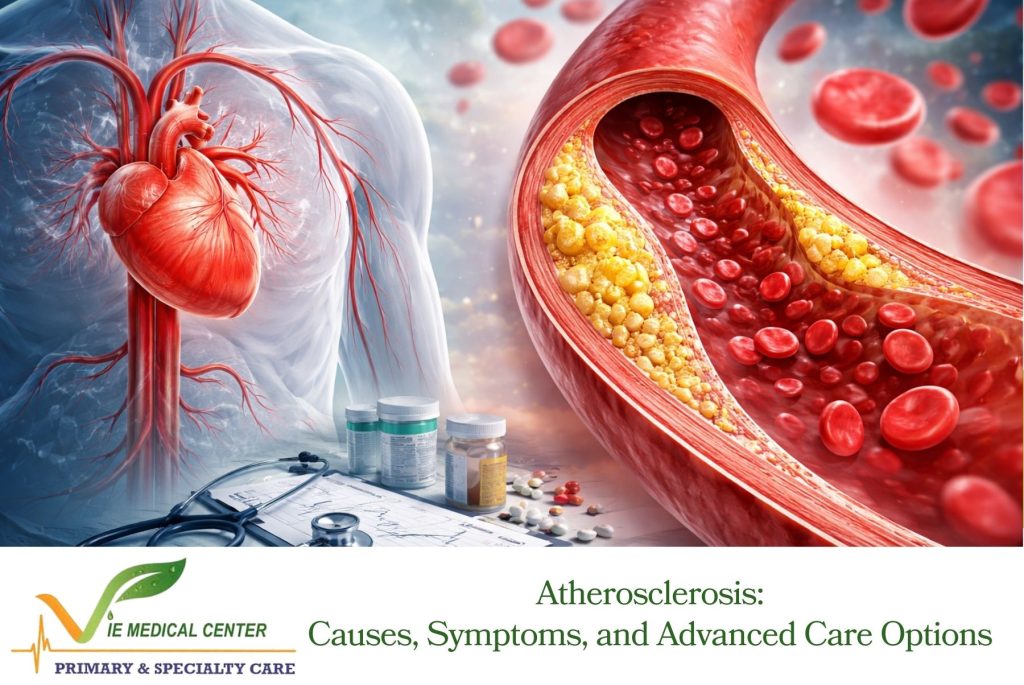
Atherosclerosis is a common but serious cardiovascular condition that can silently progress for years before symptoms appear. At Vie Medical Center, we prioritize early detection, prevention, and advanced treatment strategies to help patients protect their heart health and overall well-being.
This guide explains what atherosclerosis is, why it matters, and how proactive care can significantly reduce the risk of heart attack, stroke, and other life-threatening complications.
What Is Atherosclerosis?
Atherosclerosis is a condition in which plaque builds up inside the arteries. Plaque is made of fat, cholesterol, calcium, and other substances found in the blood. Over time, this buildup hardens and narrows the arteries, restricting blood flow to vital organs.
Reduced blood flow can lead to serious complications, especially when it affects the heart, brain, or limbs.
Why Atherosclerosis Is Dangerous
Atherosclerosis can impact multiple areas of the body, leading to:
- Coronary artery disease (CAD) – increasing heart attack risk
- Carotid artery disease – increasing stroke risk
- Peripheral artery disease (PAD) – causing leg pain and mobility issues
- Chronic kidney disease – due to reduced blood flow to the kidneys
Because symptoms may not appear until the condition is advanced, routine screenings and preventative care are critical.
Common Causes and Risk Factors
Several factors increase the likelihood of developing atherosclerosis, including:
- High cholesterol
- High blood pressure
- Diabetes or insulin resistance
- Smoking or tobacco use
- Obesity
- Sedentary lifestyle
- Chronic inflammation
- Family history of heart disease
Managing these risk factors early can significantly slow or prevent disease progression.
Symptoms to Watch For
Symptoms vary depending on which arteries are affected and may include:
- Chest pain or pressure (angina)
- Shortness of breath
- Fatigue
- Leg pain while walking
- Numbness or weakness
- Sudden confusion or difficulty speaking (possible stroke warning)
If you experience any of these symptoms, prompt medical evaluation is essential.
How Atherosclerosis Is Diagnosed
At Vie Medical Center, advanced diagnostic tools help detect atherosclerosis early, even before symptoms develop. Diagnostic methods may include:
- Blood tests (cholesterol, inflammation markers)
- Blood pressure assessments
- Ultrasound imaging
- CT calcium scoring
- Vascular testing
Early diagnosis allows for more effective and less invasive treatment options.
Treatment and Prevention Strategies
Treatment plans are customized based on each patient’s risk factors and disease severity. Common strategies include:
Lifestyle Modifications
- Heart-healthy nutrition plans
- Exercise and weight management programs
- Smoking cessation support
- Stress reduction techniques
Medical Management
- Cholesterol-lowering medications
- Blood pressure management
- Blood sugar control
- Anti-inflammatory therapies
Advanced Preventive Care
Vie Medical Center emphasizes proactive cardiovascular health through cutting-edge diagnostics and personalized treatment protocols designed to reduce long-term risk.
Comprehensive Q&A: Atherosclerosis
Q: Can atherosclerosis be reversed?
A: While advanced plaque buildup cannot always be fully reversed, lifestyle changes and medical treatment can stabilize plaque, reduce inflammation, and significantly lower the risk of complications.
Q: Is atherosclerosis the same as high cholesterol?
A: No. High cholesterol is a major risk factor, but atherosclerosis refers to the actual plaque buildup within the arteries.
Q: How early can atherosclerosis start?
A: Plaque buildup can begin in childhood or early adulthood, especially in individuals with genetic risk factors or poor lifestyle habits.
Q: Does atherosclerosis always cause symptoms?
A: No. Many patients are asymptomatic until the disease is advanced, which is why preventive screening is so important.
Q: What diet helps prevent atherosclerosis?
A: Diets rich in vegetables, fruits, lean proteins, healthy fats, and whole grains—such as Mediterranean-style diets—are strongly associated with lower cardiovascular risk.
Q: How often should I be screened?
A: Screening frequency depends on age, family history, and risk factors. A medical provider can determine an appropriate schedule for you.
Why Choose Vie Medical Center?
Vie Medical Center combines compassionate care with advanced medical expertise to help patients take control of their cardiovascular health. Our team focuses on early detection, personalized prevention plans, and long-term wellness strategies.
Contact Information
Vie Medical Center
2160 West Atlantic Ave., 1st Floor
Delray Beach, FL 33445
📞 Phone: (561) 425-8888
🌐 Website: viemedicalcenter.com